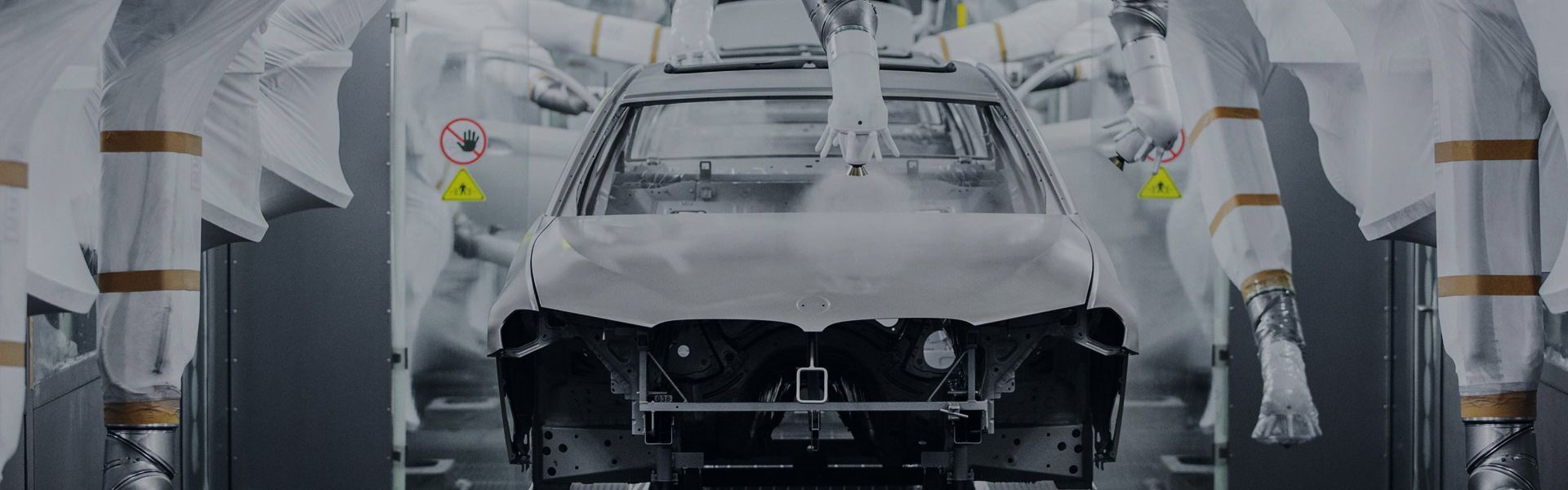
Paint shop wastewater comes from a variety of processes, including PT, ED, painting, and workpiece cleaning. It may contain oils and grease, heavy metals, resins, pigments, and organic solvents, and is characterized by high COD, high oil content, significant pH fluctuations, and poor biodegradability. A single treatment process is generally insufficient to meet discharge standards, so a multi-stage combination of pretreatment, physicochemical treatment, biological treatment, and advanced treatment is commonly adopted.
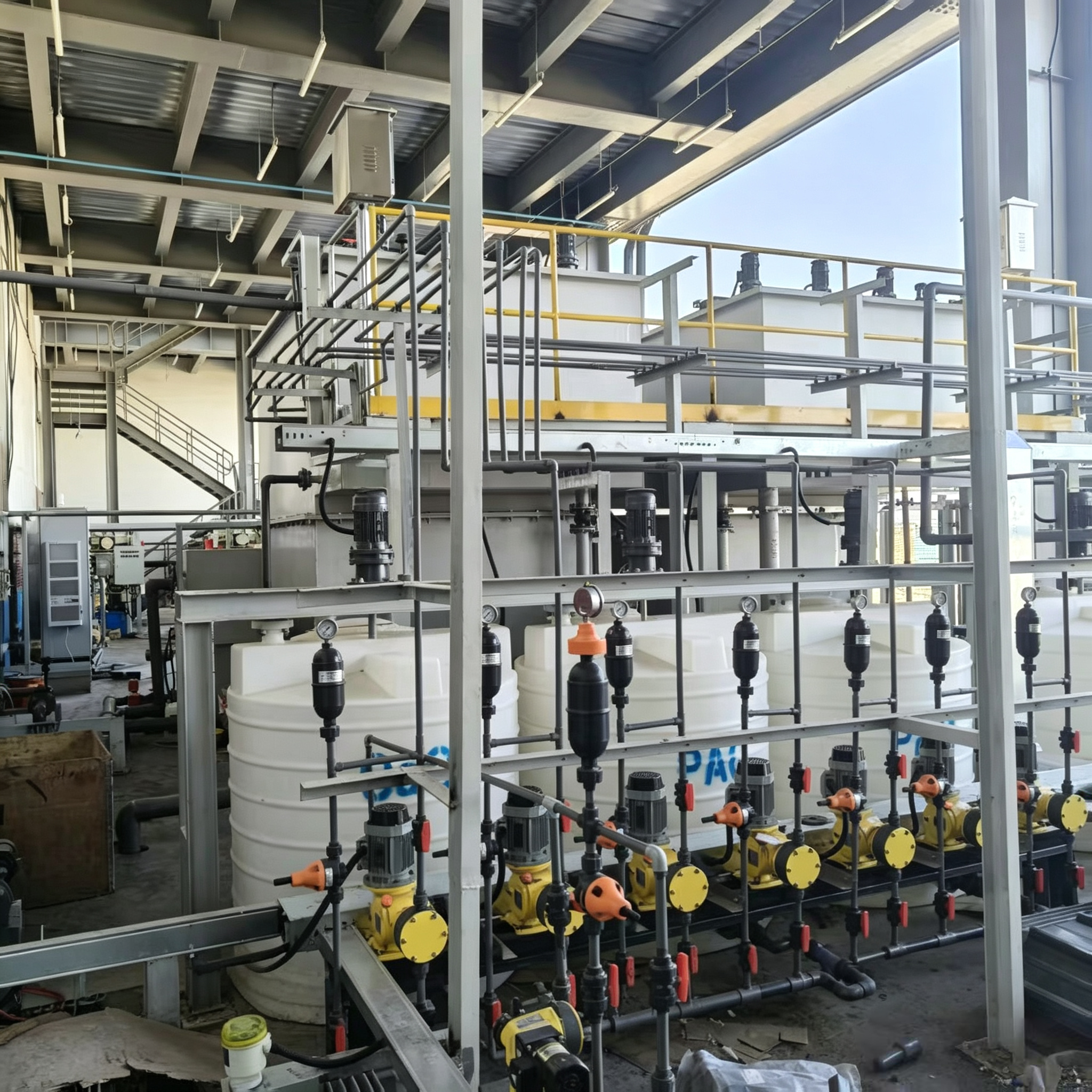
During pretreatment, screens and equalization tanks are used to balance water quality and flow, combined with DAF, coagulation, and sedimentation to remove floating oil, paint sludge, and suspended solids and reduce the treatment load on downstream units. In the physicochemical treatment stage, coagulation and sedimentation are used to remove colloidal pollutants. For wastewater with high COD and poor biodegradability, advanced oxidation processes such as Fenton oxidation and ozonation can be selected. UF, NF, and RO membrane separation are mainly used to recover clean water from electrocoating wastewater.
The effluent from the physicochemical treatment stage enters the biological treatment unit, where processes such as A/O, SBR, and MBR can be selected to degrade organic pollutants. The MBR process provides high-quality effluent and can support water reuse, but attention should be paid to preventing membrane fouling. Activated carbon adsorption, multimedia filtration, and reverse osmosis can then be combined for advanced purification to achieve compliant discharge or water recycling and reuse.
Small and medium-sized enterprises commonly adopt: Screening → Equalization Tank → DAF → Coagulation & Sedimentation → SBR → Filtration → Discharge
High-end automotive production lines may adopt: DAF → Advanced Oxidation → MBR → RO Water Reuse System
The selection of a suitable treatment process should be based on wastewater characteristics, discharge or water reuse requirements, operating costs, and available space. During operation, key challenges include high sludge generation, fluctuations in COD concentration, and membrane fouling. The industry is moving toward intelligent operation, resource recovery, and zero-liquid-discharge solutions, while taking into account both environmental compliance and economic efficiency.
Post time: Aug-31-2026