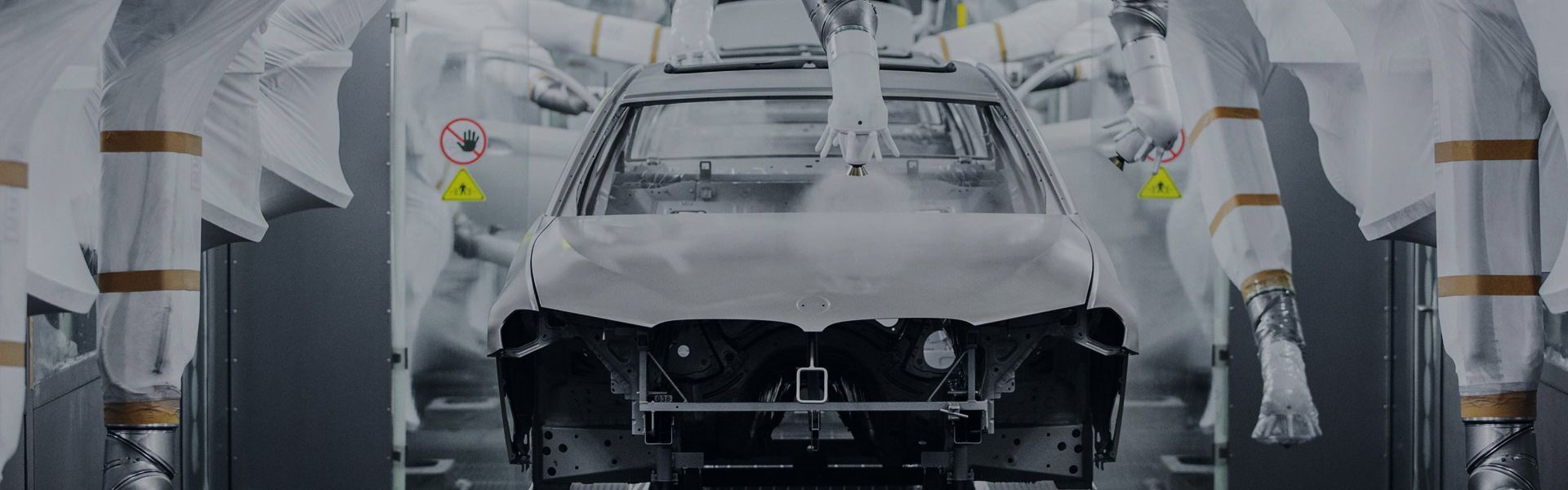
Paint booth temperature control is critical to coating quality, process stability, and workplace safety. Temperature directly affects paint atomization, flash-off, drying speed, and VOC emission control. Modern painting lines typically maintain the spraying environment at 20–25°C and 55–70% relative humidity.
A complete temperature control system comprises an AHU, an air circulation and filtration package , PLC-based sensing and control, and air-curtain airflow distribution. Heating options include electric heating (fast response, high energy consumption, ideal for compact lines), steam heating (cost-effective and stable, suited to large-scale lines), and gas heating (high efficiency, rapid warm-up). For cooling, chilled-water systems or direct-expansion (DX) systems are commonly used.
Control logic is typically built on PID closed-loop algorithms, combined with zone-based control, variable-frequency drives, and automatic compensation for precise, stable temperature regulation. Engineering optimization should focus on thermal insulation, proper airflow distribution (such as top supply and bottom exhaust), heat recovery systems (with energy savings of 30–60%), and SCADA intelligent monitoring.
Common issues—including large temperature fluctuations, local temperature differences, slow heating or cooling, and excessive energy consumption—can be addressed by tuning PID parameters, adjusting supply-air angles, increasing heating capacity, and applying variable-frequency control. Looking ahead, temperature control is moving toward AI-driven intelligent control, low-energy green systems, and digital-twin-based management.
Post time: Sep-07-2026