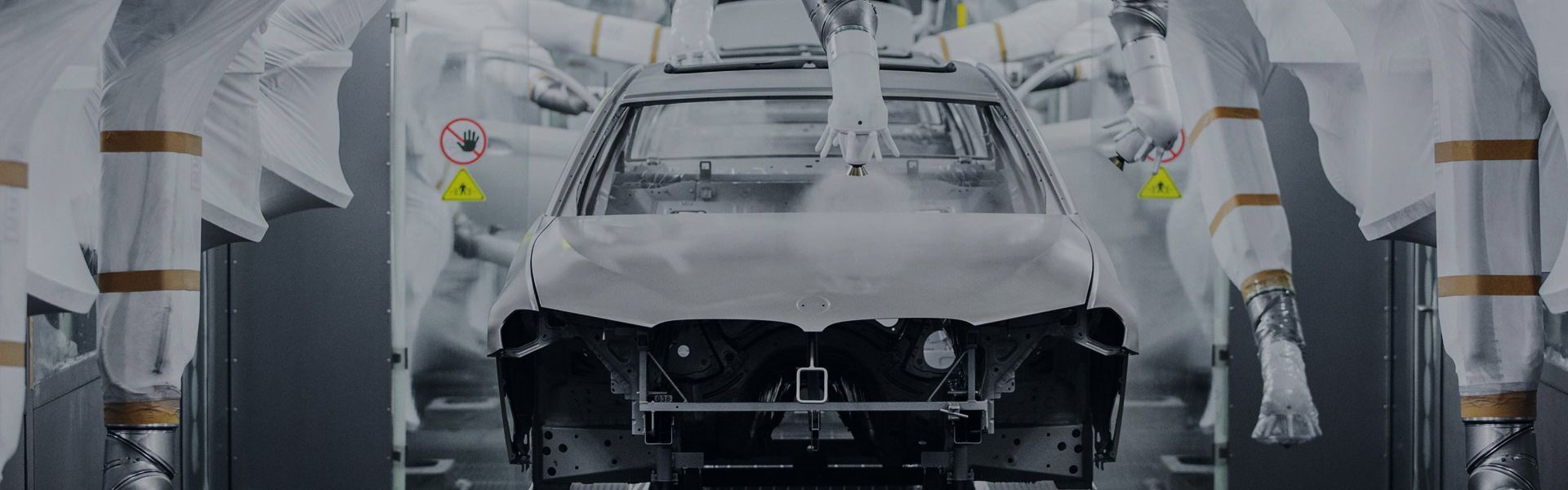
1. Painting Production Line Development Process
* Define product requirements based on the production plan.
* Complete painting process design and overall project planning.
* Carry out the design, manufacturing, and installation of customized equipment.
* A well-designed process flow is essential for achieving high production efficiency and consistent product quality.
2. Purpose and Key Factors of Painting
The painting process forms a continuous coating on the workpiece surface to achieve:
* Corrosion protection;
* Appearance decoration;
* Special functional requirements.
The quality of the finished coating depends on:
* Painting process and equipment;
* Coating materials;
* Application environment;
* Production management.
3. Main Equipment of Painting Production Line
The painting production line mainly consists of:
Pretreatment System:
Removes oil, rust, oxide scale, and other contaminants to improve coating adhesion and corrosion resistance.
Painting Equipment:
Includes painting, electrocoating, electrostatic painting, powder coating, and other equipment.
Drying and Curing Equipment:
Cures the coating under controlled heating to achieve the required coating performance.
Mechanical Conveyor System:
Automatically transfers workpieces between process stations..
Constant Temperature and Humidity Air Supply System:
Provides a stable painting environment.
4. Pretreatment System
Purpose:
Remove contaminants from the workpiece surface and prepare it for painting.
Methods:
* Mechanical treatment: shot blasting, sand blasting, cleaning, etc.
* Chemical treatment: phosphating, passivation, etc.
Main Systems:
* Tank system;
* Heating system;
* Ventilation system;
* Sludge removal and oil-water separation system.
5. Painting Equipment
Common Painting Methods:
* Air spray painting;
* High-pressure airless spray painting;
* Electrostatic spraying;
* Electrocoating;
* Powder coating.
Main Functions of Paint Booth:
* Control paint overspray dispersion;
* Capture and filter paint overspray;
* Provide a clean, temperature-controlled, and humidity-controlled painting environment.
Main Components:
* Booth body;
* Paint mist filtration system;
* Supply and exhaust air system;
* Lighting system.
6. Drying and Curing Equipment
Function:
Ensure the coating reaches the required hardness and performance.
Classification:
* Convection drying;
* Radiation drying;
* Convection + radiation drying.
Main Components:
* Oven body;
* Heating system;
* Air ducts;
* Circulation fans;
* Temperature control system.
7. Mechanical Conveyor System
Function:
Connect each process stage to achieve automated production.
Types:
* Overhead conveyors: suspension conveyors, power & free conveyors, etc.
* Floor conveyors: skid conveyors, chain conveyors, etc.
8. Painting Equipment Testing Requirements
Drying Equipment:
* Oven temperature uniformity: controlled within ±5℃.
Painting Equipment:
* Illuminanc : 800–1000 Lx;
* Temperature: 23±2℃;
* Relative humidity: 55±5%;
* Air velocity: 0.45–0.55 m/s.
Noise Level in Operating Area:≤85 dB.
Summary
A painting production line is an integrated manufacturing system consisting of pretreatment, painting, drying, conveying, environmental control, and automation systems. It applies liquid paint or powder coating to the workpiece surface through electrostatic or mechanical spray application, followed by curing to produce a durable coating that meets both corrosion protection and decorative requirements.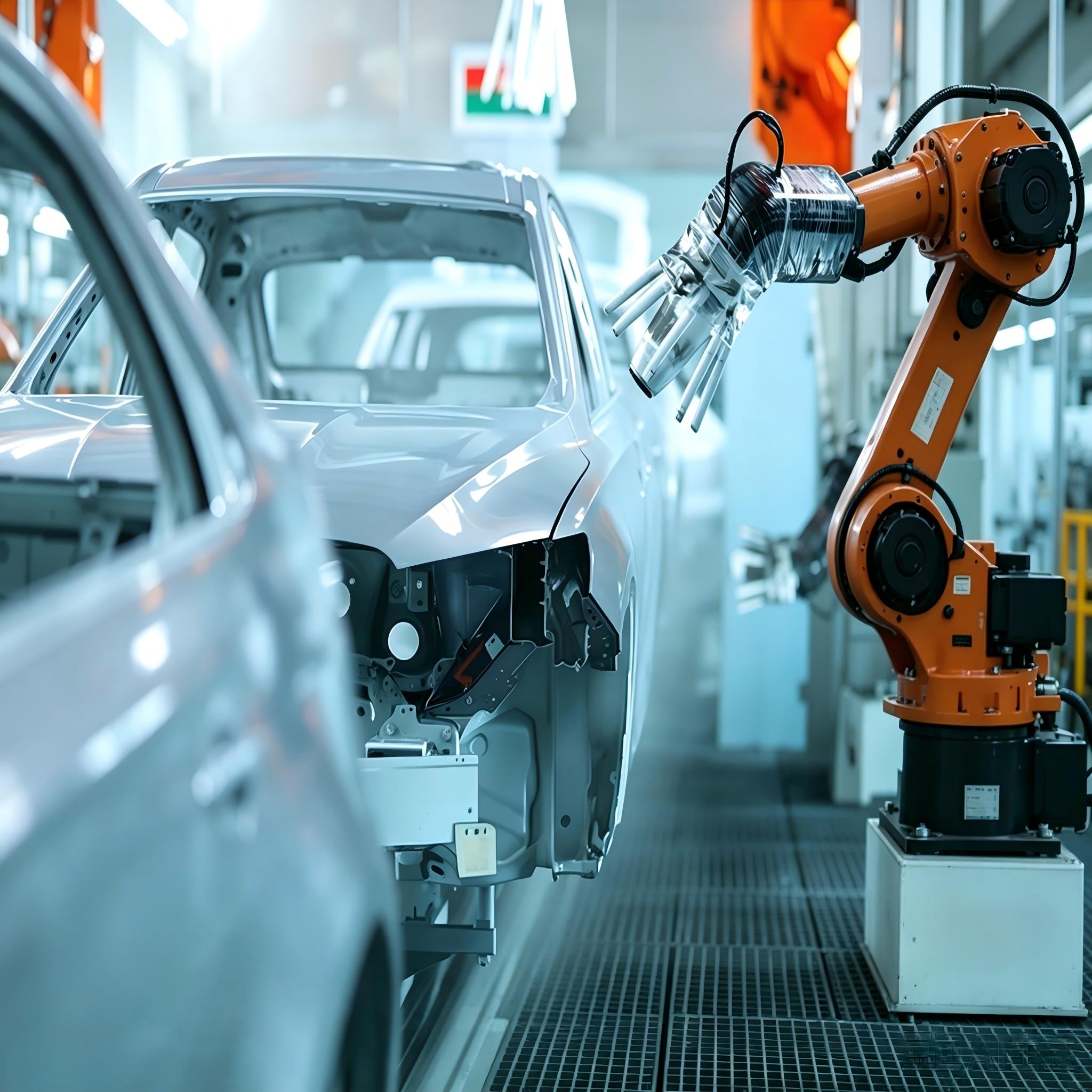
Post time: Jul-08-2026