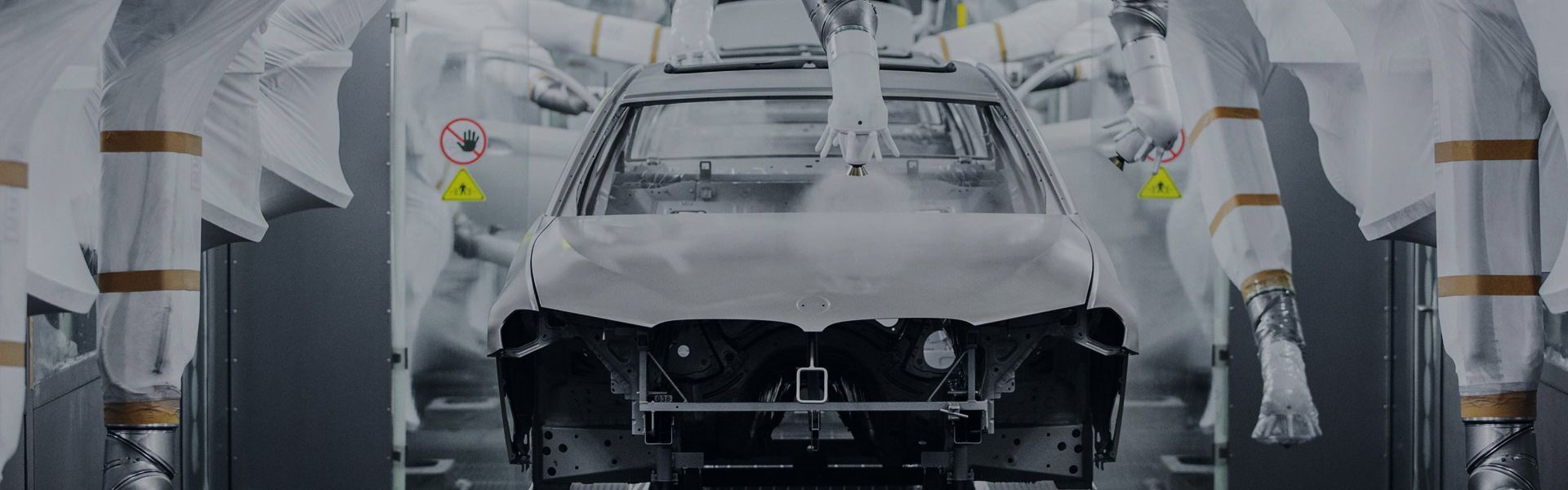
As environmental regulations become increasingly stringent and manufacturers accelerate their transition toward greener production, selecting waste gas treatment equipment for coating lines is no longer simply a matter of ensuring regulatory compliance. It is a comprehensive decision that must balance technical performance, operating costs, and production requirements. With the coating industry accounting for more than 20% of VOC emissions from industrial sources, the choice of emission control equipment directly affects a company’s regulatory compliance, operating costs, and competitiveness.
Coating exhaust gas is highly complex, containing VOCs, paint mist and particulate matter, odors, and potentially hazardous substances. Airflow, pollutant concentrations, temperature, and humidity can also fluctuate with operating conditions. Accurate characterization and quantification of the exhaust gas is therefore the essential first step in selecting the right treatment technology. Commonly used technologies include adsorption, thermal oxidation, biological treatment, low-temperature plasma, and photocatalytic oxidation. Each has its own operating range and limitations, and combined treatment trains are often adopted in practice - for example, dry filtration + RTO or zeolite rotor concentration + RCO - to suit the characteristics of different coating lines.
Equipment selection should not be based solely on technical specifications. A comprehensive decision-making framework should be established, taking into account the full life-cycle cost, including not only the initial equipment investment but also energy consumption, consumables, and hazardous waste disposal. Site layout and available space should be assessed, with sufficient capacity reserved for future expansion. Ease of maintenance and explosion protection should also be considered, together with energy integration with other paint-line equipment such as ovens, so that the potential for waste-heat recovery can be fully utilized.
Companies can follow a five-step selection process: first, conduct an on-site assessment of the existing exhaust conditions and prepare an analysis report; second, develop multiple alternative treatment schemes; third, evaluate and shortlist suppliers based on technical capabilities, project references, pricing, and service; fourth, carry out a full life-cycle cost analysis for comparison; and finally, validate the selected solution through a pilot-scale trial before full-scale implementation.
Waste gas treatment is evolving toward intelligent operation, low-carbon integration, modular design and resource recovery. Equipment selection is the starting point for optimizing the overall exhaust treatment system. By establishing a systematic and data-driven selection methodology, manufacturers can achieve a balance between environmental performance and economic efficiency.
Post time: Sep-21-2026