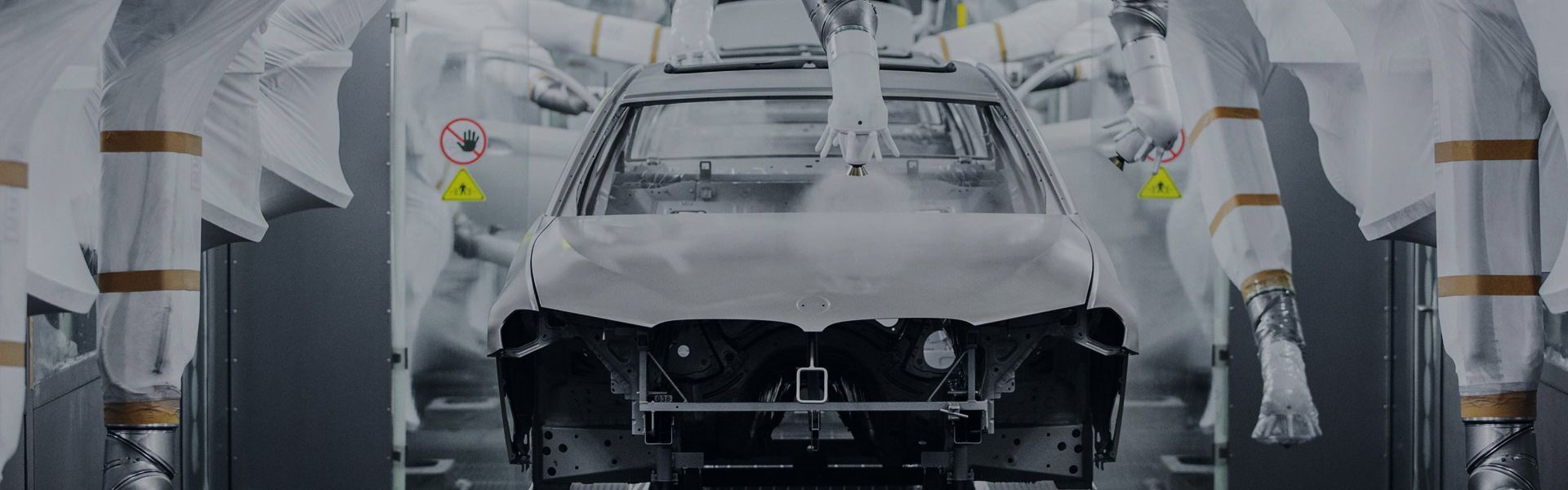
Continuous production refers to the use of automated equipment, process optimization, and digital control systems to enable continuous material flow throughout pretreatment, spraying, drying, and curing processes. This approach improves production efficiency, ensures consistent coating quality, reduces energy consumption, supports high-volume manufacturing, and enables digitalized management.
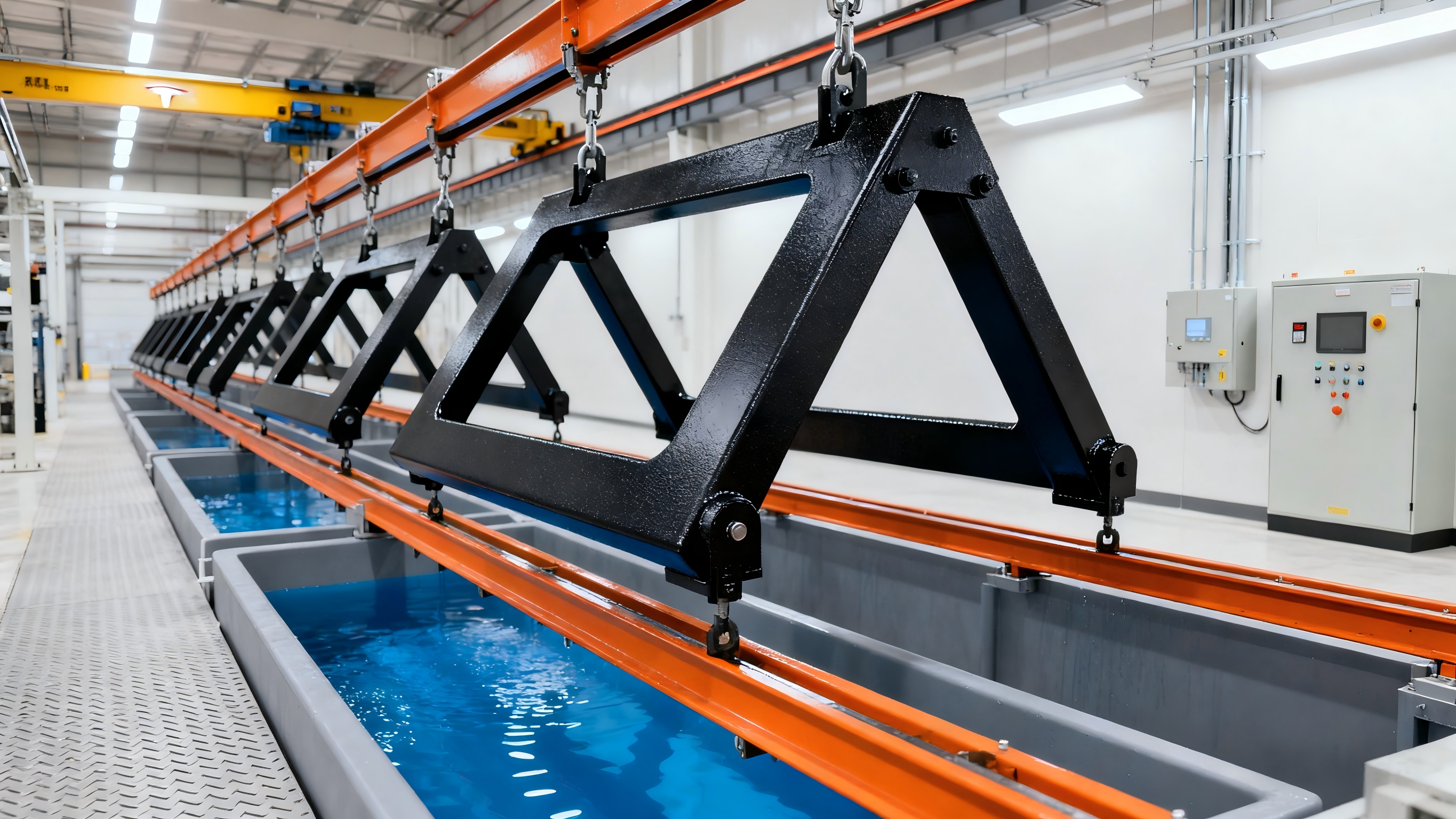
The process flow typically includes parts pretreatment (automatic passage through cleaning and chemical treatment tanks), automatic spraying (by programmable robots or electrostatic spray guns), tunnel oven drying and curing, online automatic inspection, and packaging for warehousing.
Achieving continuous production relies on several key technologies:
1. Automated Conveyor Systems
Belt, chain, and roller conveyor systems stable workpiece transfer; synchronized takt control coordinates the speed of each process stage, while multiple parallel lines increase overall production capacity.
2. Automatic Spraying Technology
This technology employs programmable robots, electrostatic spraying, and airless spraying methods, combined with automatic paint supply and recovery systems to ensure continuous paint delivery and minimize waste.
3. Drying and Curing Technology
Tunnel ovens with zoned temperature control, combined with hot-air circulation and infrared heating, improve thermal efficiency and ensure stable curing performance.
4. Automated Inspection and Quality Control
Online ultrasonic, eddy-current, or laser thickness measurement enables continuous monitoring; visual inspection with AI algorithms detects scratches, bubbles, and other defects; real-time data feedback adjusts spray pressure, temperature, and conveyor speed.
5.Production Information Management
MES systems manage production takt scheduling, PLC systems coordinate equipment operations, and remote monitoring provides real-time alerts for abnormalities, effectively reducing unplanned downtime.
Post time: Jul-27-2026