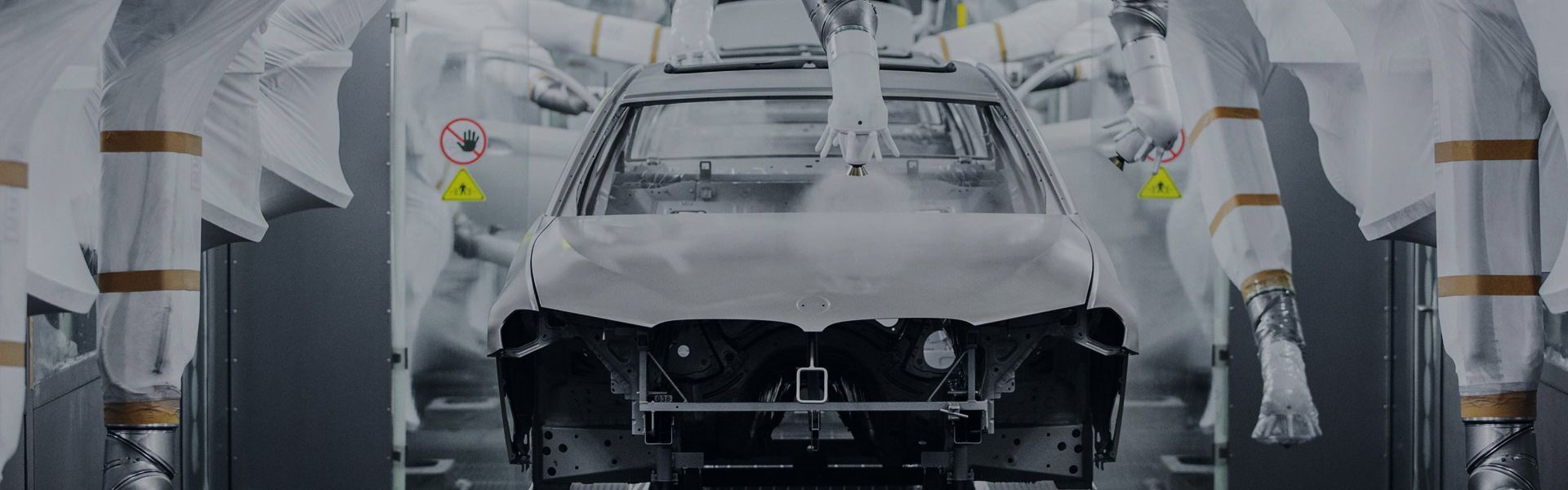
Spray guns are critical end-of-line components in a coating system. Their atomization stability has a direct impact on coating quality and production efficiency. Gun clogging is a frequent pain point in coating operations. It triggers downtime for cleaning, cosmetic defects such as color variation and orange peel, disrupts production, increases consumable waste, and may even damage precision gun components. Most enterprises merely clear clogs after failures occur, which cannot address the root causes. Industry experts note that clog mitigation should move beyond reactive troubleshooting. A systematic end-to-end prevention framework is required to prevent problems at the source.
Spray gun clogging can result from a combination of factors related to the coating material, equipment, process and operating environment. Coating sedimentation, agglomeration and prolonged post-mixing use can result in particulate contaminants. ineffective filtration system, poorly designed piping, worn gun parts and inaccurate temperature control cause coating residue buildup. Misconfigured spraying parameters, improper cleaning routines, unstable workshop temperature and humidity, and compressed air containing excessive contaminants can all contribute to recurring clogs.
A standardized, systematic approach can effectively address these challenges. At the source, this includes strict incoming inspection, temperature-controlled storage and multi-stage filtration of coating materials, as well as optimized piping layouts to eliminate areas where coating can stagnate. On the equipment side, daily, weekly and monthly maintenance schedules should be established, with spray gun models selected according to the coating and application requirements and the compressed-air supply properly filtered and conditioned. On the production floor, spraying parameters and color-change cleaning procedures should be standardized, with smart equipment used to maintain consistent process conditions.
In addition, manufacturers should maintain a clean workshop environment, provide professional training for operators, and deploy intelligent monitoring and early-warning systems to track pressure, temperature and other key parameters in real time and identify potential risks. Root-cause analysis and documented case reviews can help establish a closed-loop management process. By shifting from reactive troubleshooting to proactive risk prevention, manufacturers can reduce failure rates, maintain stable and efficient coating-line operation, and ultimately improve quality, reduce costs and increase overall efficiency.
Post time: Sep-29-2026