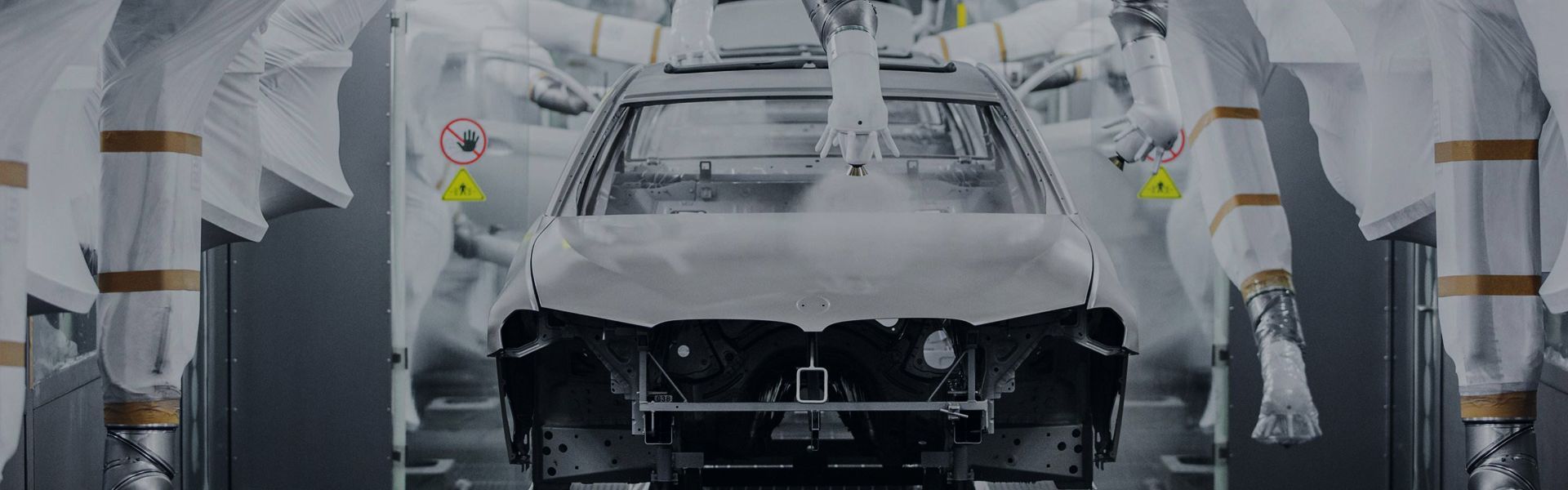
The quality of coating lines heavily relies on the cleanliness of the spraying environment. Even tiny dust particles can cause surface defects such as dirt inclusions and cratering, leading to rework, scrap and increased production costs. Maintaining a consistently clean spraying environment cannot be achieved with a single piece of equipment; it requires a comprehensive approach to environmental control throughout the coating process.
First, establish a well-planned layout with effective physical separation. Construct separate, sealed spray booths using materials such as colour-coated steel panels or stainless steel. Divide the facility into zones according to the required cleanliness levels and maintain a pressure differential between adjacent areas. This ensures that clean air flows from the spraying area towards the surrounding areas, preventing dust-laden air from entering. Air showers and pass-through windows can be used to connect different zones.
A reliable air filtration system is fundamental to maintaining a clean spraying environment. A three-stage filtration system consisting of pre-filters, medium-efficiency filters and HEPA/ULPA filters is used to remove fine dust particles. Vertical laminar airflow is commonly adopted to quickly carry away paint mist and airborne dust. Temperature and humidity are also carefully controlled to minimize dust attraction caused by static electricity and condensation.
Overspray must be treated promptly. Water curtain systems, water-rotation systems or dry separation systems can be used for this purpose. Dry solutions are water-saving and eco-friendly, widely preferred for new lines. Dynamic pollution sources are strictly controlled: operators must pass gowning and air showering. Workpieces go through degreasing and dust removal pretreatment, and fixtures are cleaned regularly.
The entire system requires regular operation and maintenance. Cleanliness parameters should be continuously monitored using particle counters, differential pressure sensors, and temperature and humidity sensors. Filters at each stage should be replaced based on differential pressure readings and scheduled replacement intervals. A tiered cleaning schedule should also be implemented.
Dust-controlled spraying is a multidisciplinary engineering undertaking in which every aspect is interconnected, from facility layout and air supply to contaminant treatment and the management of personnel and materials. Only through proper design and construction, combined with long-term operation and maintenance, can a clean spraying environment be consistently maintained, coating quality be protected and high-quality coated products be produced reliably.
Post time: Nov-09-2026